Mast Cells & Histamine
Many people with mold illness experience reactions that seem to come from everywhere: flushing, itching, food reactions, headaches, or sensitivity to smells. This section explores the role of mast cells and histamine in mold-related illness, the difference between histamine intolerance and MCAS, how the body clears histamine through DAO and HNMT, and why some people become reactive to foods, chemicals, and odors.
Understanding Histamine Intolerance and MCAS
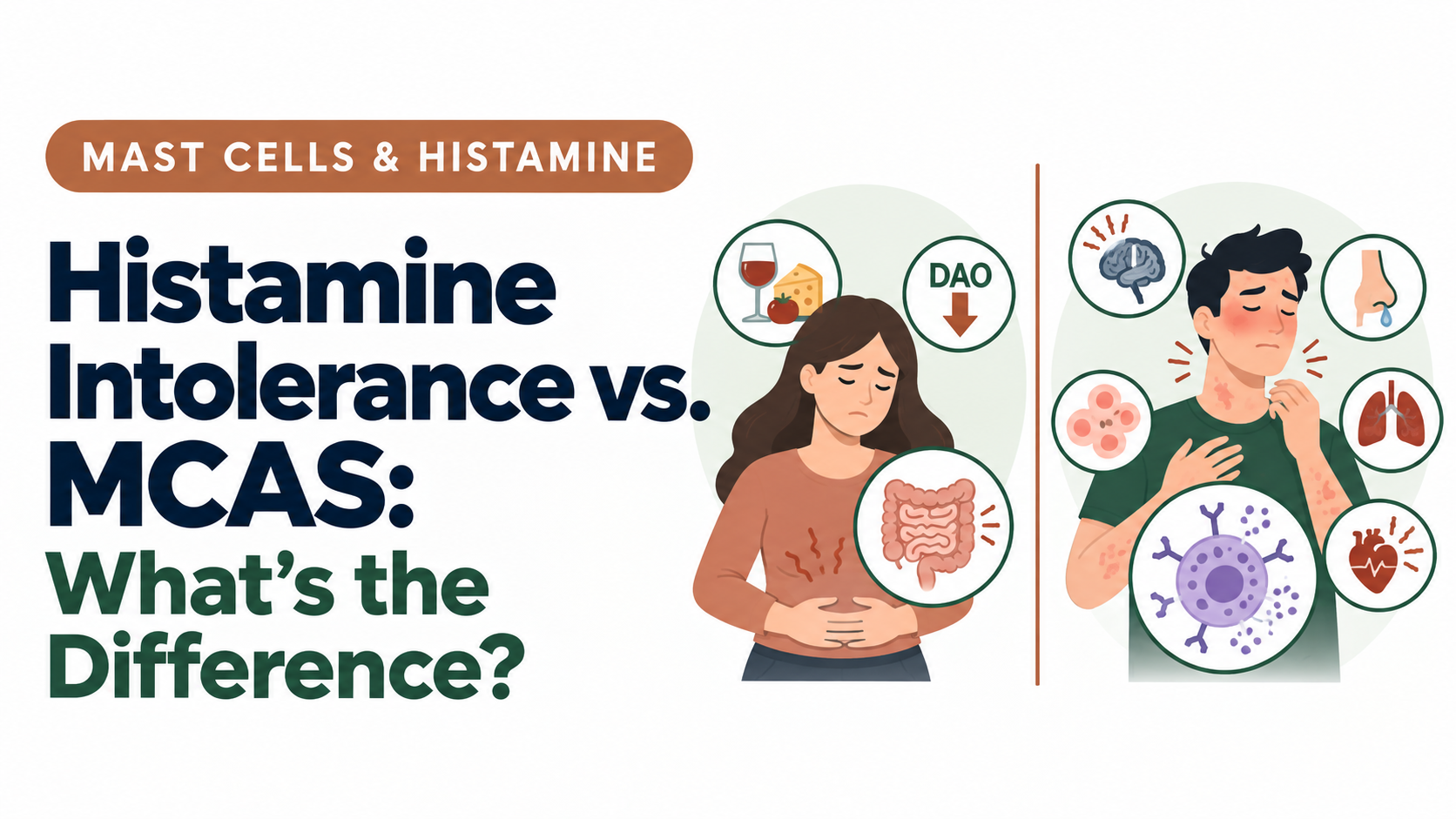
Histamine Intolerance vs. MCAS: What’s the Difference?
How a histamine-clearance problem differs from overactive mast cells, why the two often overlap, and why diagnosis can be tricky.
Mast Cell Activation and Mold Exposure
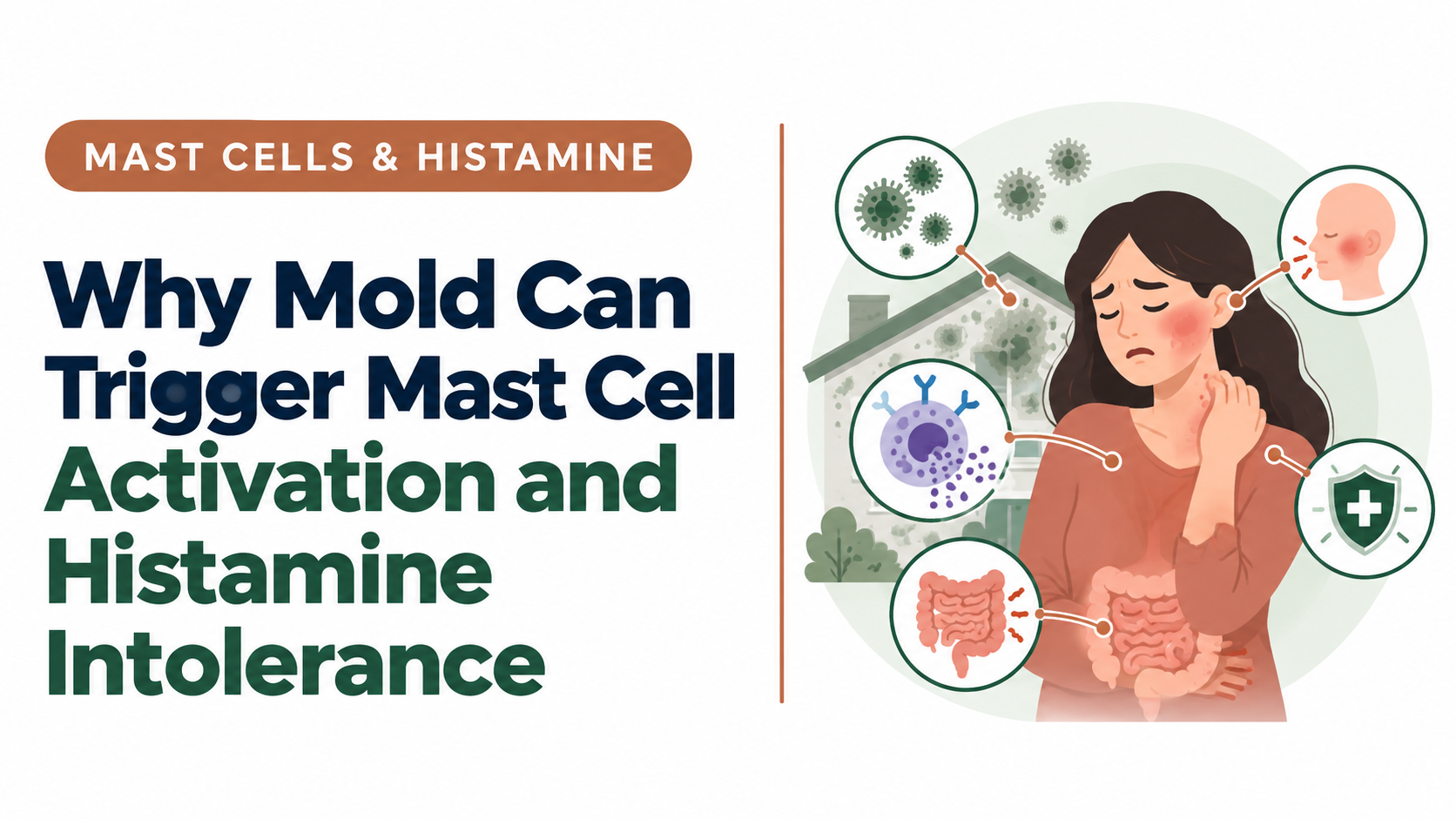
Why Mold Can Trigger Mast Cell Activation and Histamine Intolerance
What mast cells do, why they may become overly reactive after mold exposure, and how histamine fits into the picture.
Histamine Intolerance and the DAO Enzyme
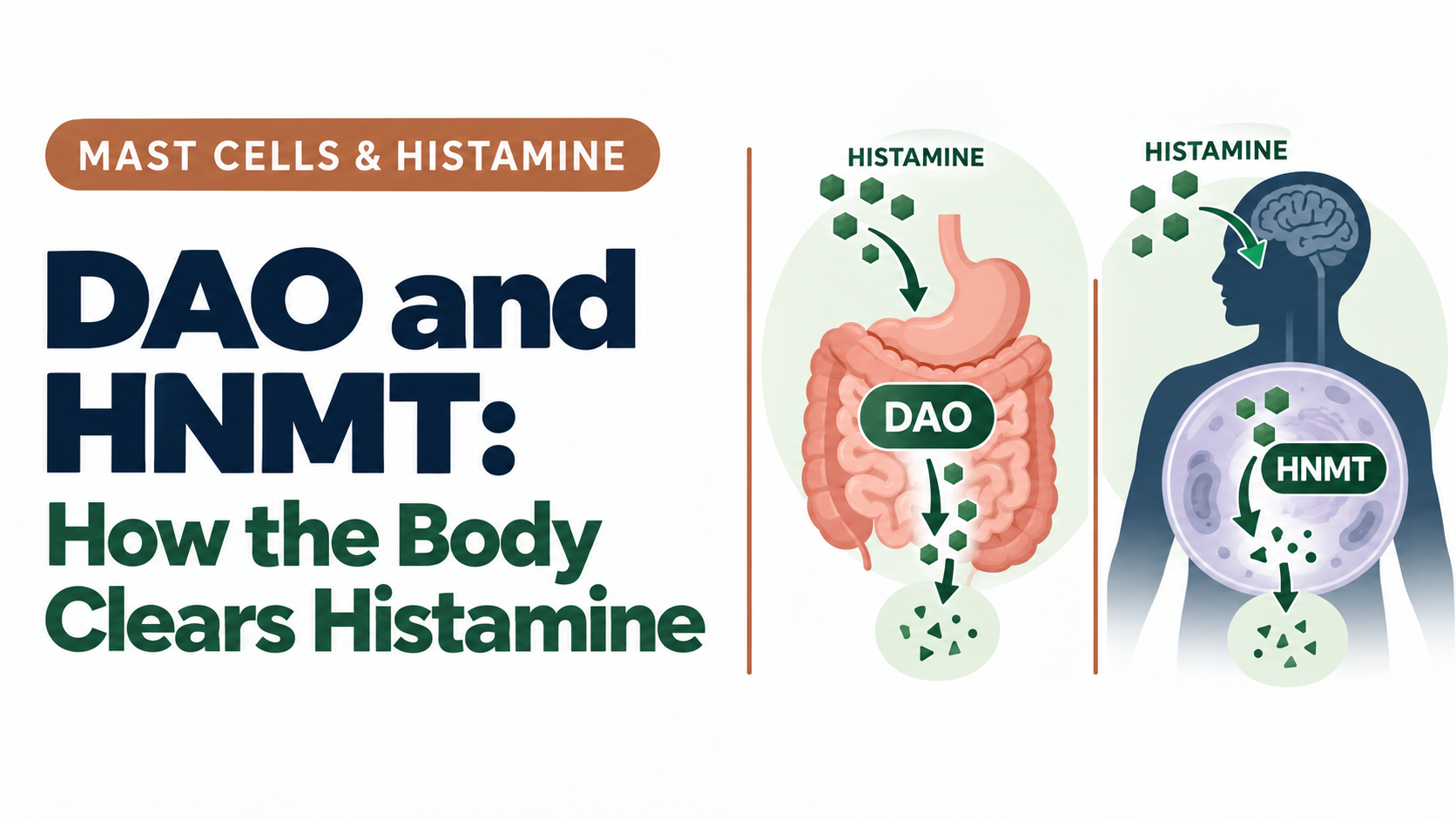
DAO and HNMT: How the Body Clears Histamine
How the two main histamine-clearing enzymes work, and why gut health, methylation, and genetics can affect them.
Food, Chemical, and Smell Sensitivities
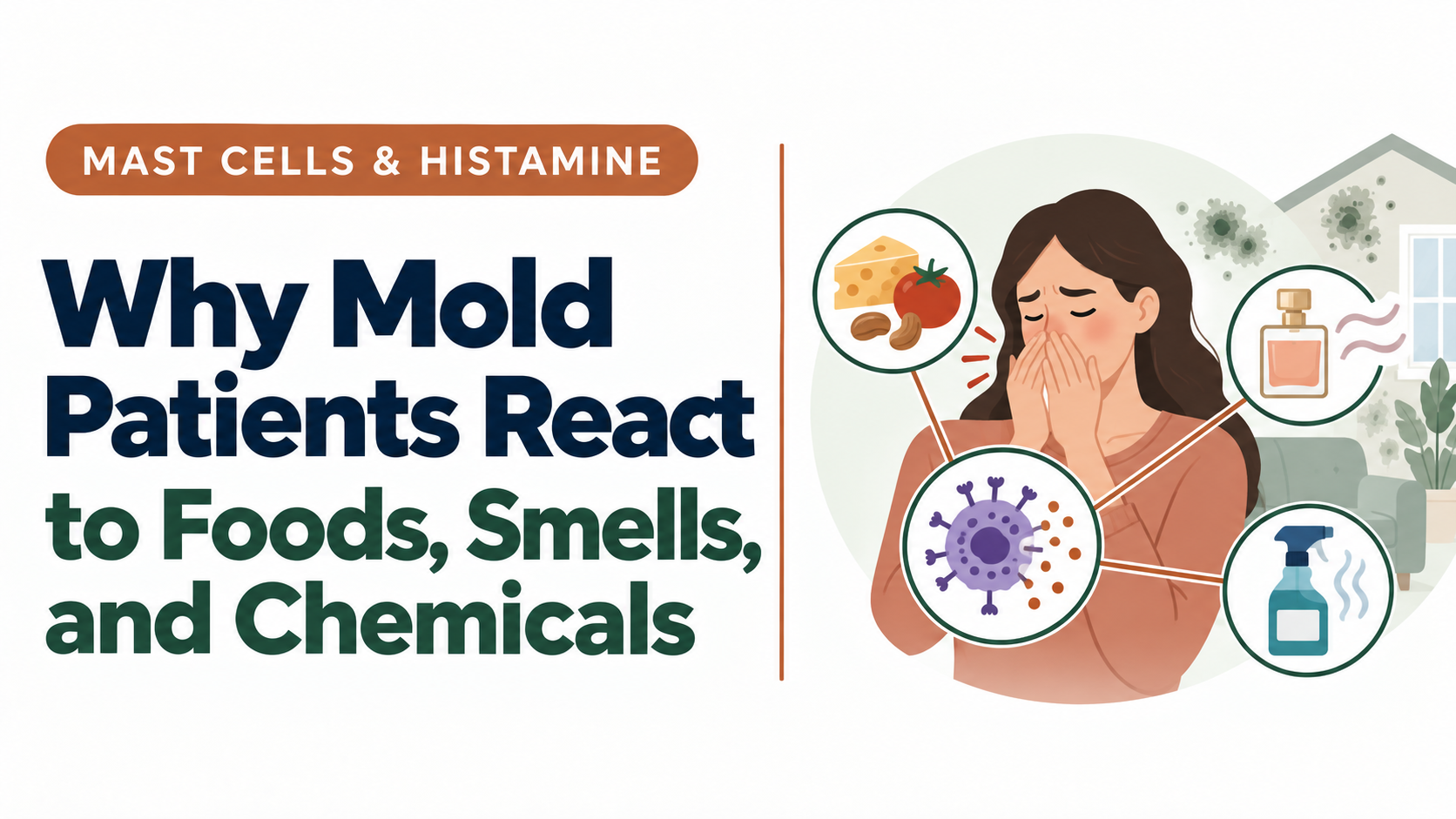
Why Mold Patients React to Foods, Smells, and Chemicals
Why tolerance can shrink after mold exposure, how mast cells, the nervous system, and the gut may be involved, and why there is reason for hope.
Explore all topics in the Mold & Biotoxin Illness Learning Center.
Ready to Learn More?
For deeper, structured learning, explore our educational courses from Drs. Clayton & Christensen for patients and practitioners.
Connect With Us
Follow our mold and biotoxin education, join the community, and stay connected with Drs. Gail Clayton and Margaret Christensen.
Facebook Group: Toxic Mold — with Dr. Gail Clayton
Facebook Page: Mold Detox Diet
YouTube: Mold Detox Diet
LinkedIn: Dr. Margaret Christensen
The information in this Learning Center is for educational purposes only and is not intended as medical advice. Please consult a qualified healthcare provider about your individual situation.