Immune Dysfunction & Autoimmunity
Mold and mycotoxins may disrupt immune balance in ways that contribute to chronic inflammation, sensitivity, and, in some people, autoimmune patterns. This section explains how mold may affect immune regulation, the role of TGF-beta, how Th1, Th2, Th17, and regulatory T cells fit together, and what is known about mold and autoimmune disease.
How Mold and Mycotoxins Disrupt Immune Balance
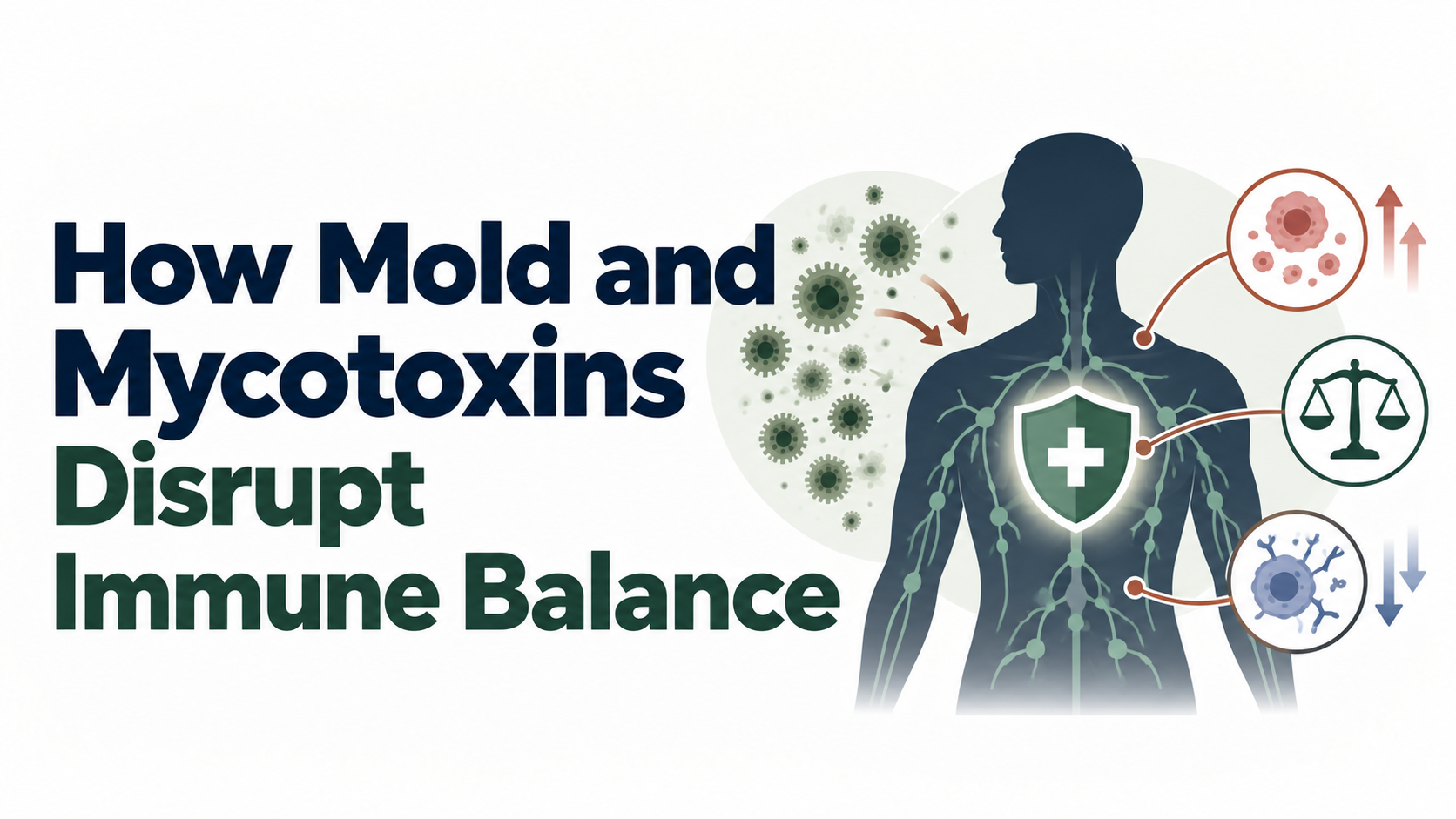
How Mold and Mycotoxins Disrupt Immune Balance
Why the immune system can seem weak and overreactive at the same time, and why restoring healthy regulation matters more than simply “boosting” immunity.
Inflammation, Cytokines, and TGF-Beta
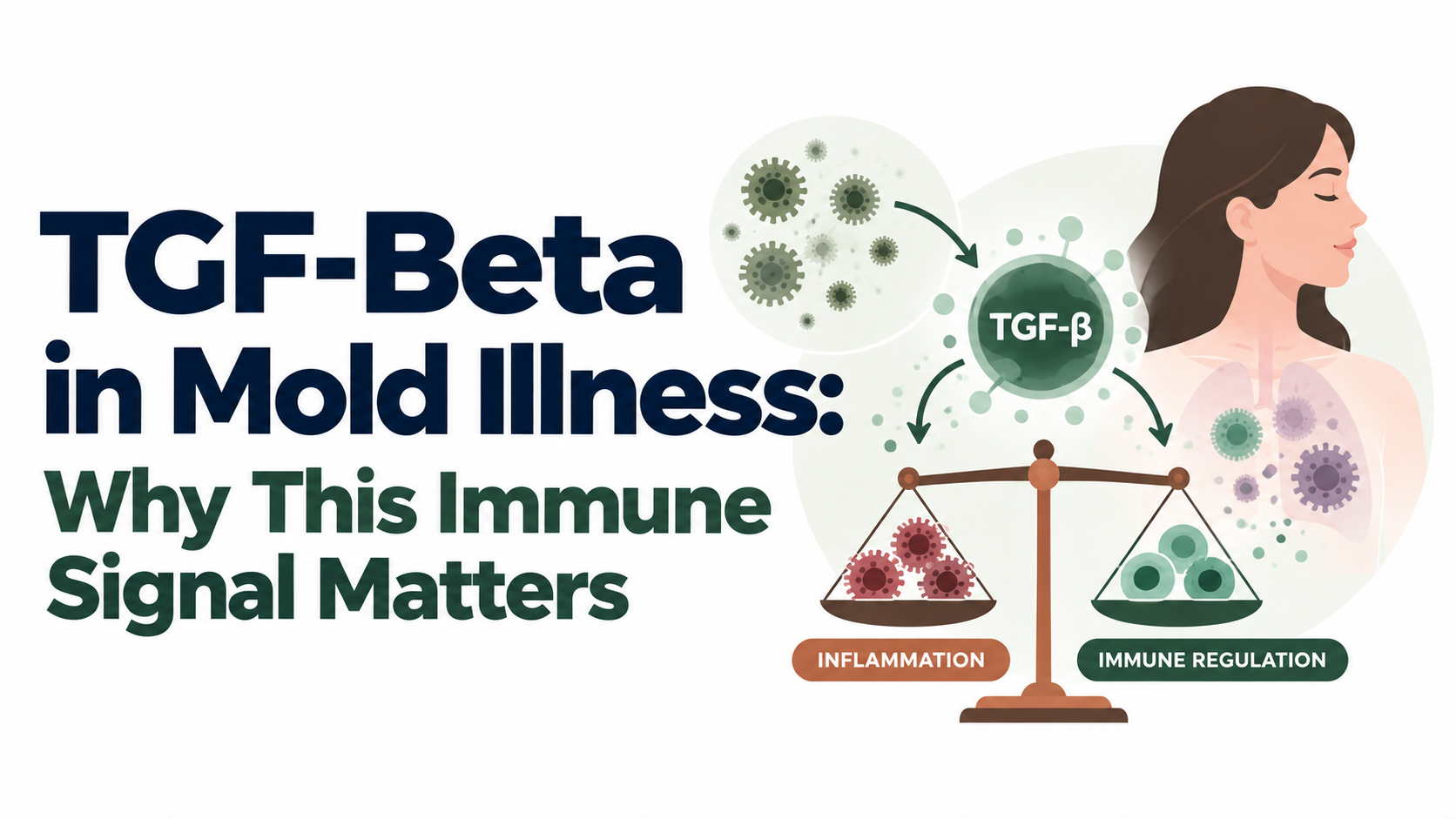
TGF-Beta in Mold Illness: Why This Immune Signal Matters
What TGF-beta 1 does in tissue repair and immune tolerance, why too much for too long can be a problem, and what a lab result can and can’t tell you.
T Cell Regulation: Th1, Th2, Th17, and T Regulatory Cells
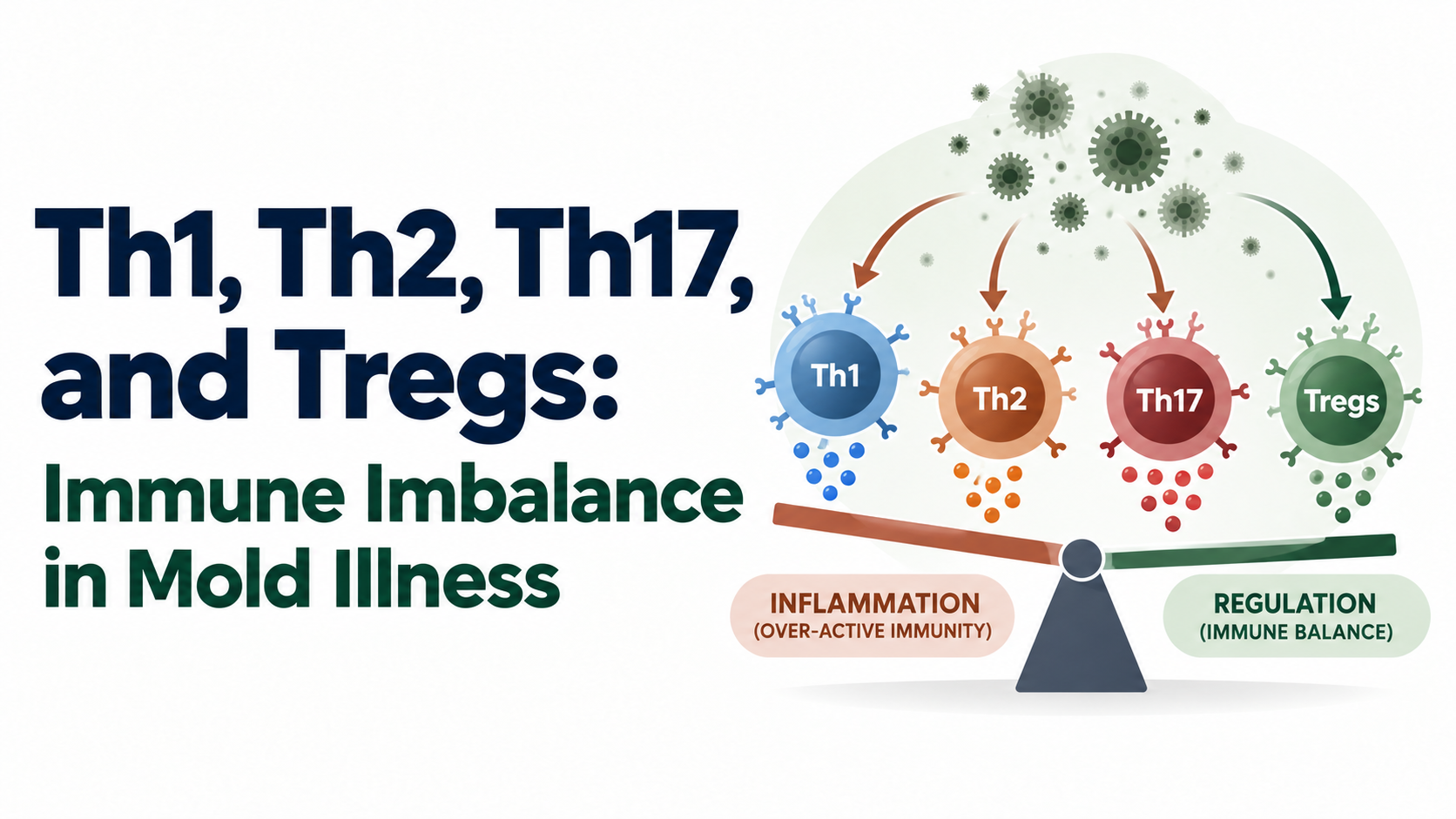
Th1, Th2, Th17, and Tregs: Immune Imbalance in Mold Illness
A plain-language guide to the main helper T cell types, the proposed “mold pattern,” and why immune balance can’t be read from a single lab test.
Mold and Autoimmune Patterns
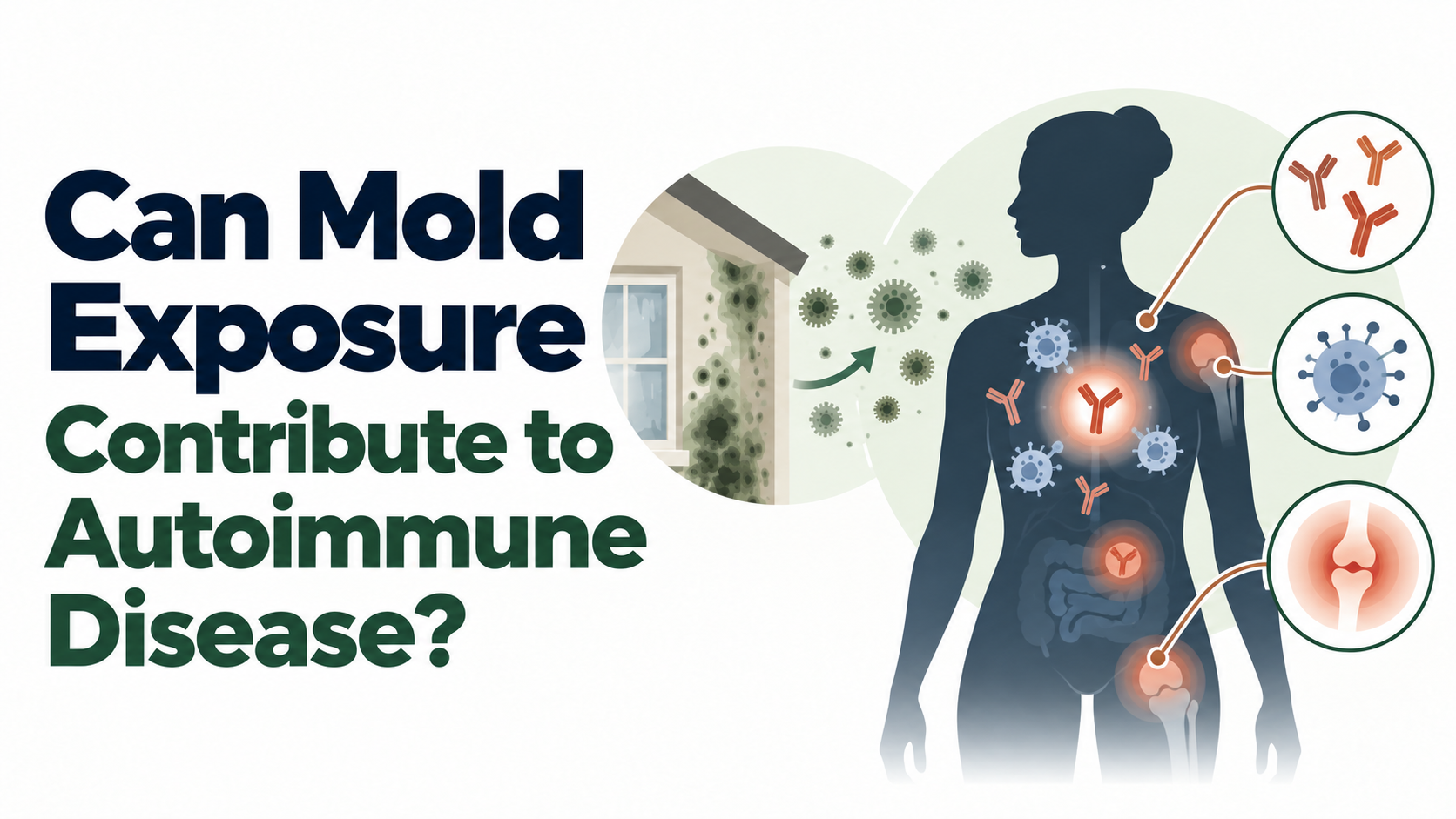
Can Mold Exposure Contribute to Autoimmune Disease?
The proposed pathways linking mold to autoimmunity, why autoimmune disease is multifactorial, and why a trigger is not the same as a cause.
Explore all topics in the Mold & Biotoxin Illness Learning Center.
Ready to Learn More?
For deeper, structured learning, explore our educational courses from Drs. Clayton & Christensen for patients and practitioners.
Connect With Us
Follow our mold and biotoxin education, join the community, and stay connected with Drs. Gail Clayton and Margaret Christensen.
Facebook Group: Toxic Mold — with Dr. Gail Clayton
Facebook Page: Mold Detox Diet
YouTube: Mold Detox Diet
LinkedIn: Dr. Margaret Christensen
The information in this Learning Center is for educational purposes only and is not intended as medical advice. Please consult a qualified healthcare provider about your individual situation.