Nutrition Education for Mold Recovery
The Mold Detox Diet Course
Practical, step-by-step dietary education for people affected by toxic mold exposure
With Dr. Margaret Christensen, MD and Dr. Gail Clayton, DCN
Food is one of the biggest influences on your immune system and overall health. In 14 short video lessons, learn what contributes to your toxic load, which foods to avoid and why, how to reduce everyday exposures, and the dietary approaches commonly used during mold detox.
One-time payment of $59 · 90 days of access · Includes the COVID Fallout e-guide download
Who This Course Is For
Designed for both patients and practitioners. Many detox programs overlook nutrition and everyday stress — this course focuses on the dietary foundation.
For Patients
Understand the role food plays in your recovery
If you are dealing with the effects of toxic mold and feel frustrated with your current protocol, learn how food choices, reducing exposure and common dietary approaches fit alongside the care you receive from your practitioner.
For Practitioners
A ready-made nutrition resource for your patients
Spend your time on detox, medication and IV therapies rather than teaching diet from scratch. The course gives patients structured dietary education and printable resources they can work through at their own pace.
Course Outcomes
What You Will Learn
- What contributes to your toxic load, and practical strategies to reduce it
- How mycotoxins and chemicals can affect hormone production and metabolism
- Which foods may contribute to inflammation, and why they are avoided
- A step-by-step method for switching to new foods, plus cooking methods and food choices that support healthy blood glucose levels
- What advanced glycation end products (AGEs) are and how food preparation affects them
- The dietary approaches commonly used during mold detox: low histamine, anti-candida, low FODMAP and autoimmune paleo
- How detox symptoms, teas and supplements are discussed alongside the diet plan
The Curriculum
3 modules · 14 video lessons · each lesson is followed by a short quiz
Module 1 · 3 videos
Understanding & Reducing Your Toxic Load
- Getting Started
- Mycotoxins, Chemicals & Hormones
- Strategies for Reducing Toxic Load
Module 2 · 3 videos
What Foods to Avoid & Why
- Foods to Avoid & Why
- Switching Method
- Advanced Glycated End Products
Module 3 · 8 videos
Diets for Detoxing
- Diets for Detoxing Mycotoxins
- Detox Symptoms & Supplements to Take with the Diet Plan
- Using Teas in Detoxification
- Autoimmune Paleo Diet
- Supplements for Gut Repair
- Low Histamine Diet
- Anti-Candida Diet
- Low FODMAP Diet
What's Included
- 14 video lessons across 3 modules, each followed by a short quiz
- Downloadable handouts, including questionnaires, food and grocery guides, meal planning tools and recipes
- Supplement dosing and ordering information
- Bonus: the 150-page COVID Fallout e-guide (downloadable)
- 90 days of access
Meet Your Educators
A physician and a clinical nutritionist who teach the clinical reasoning behind complex chronic illness.
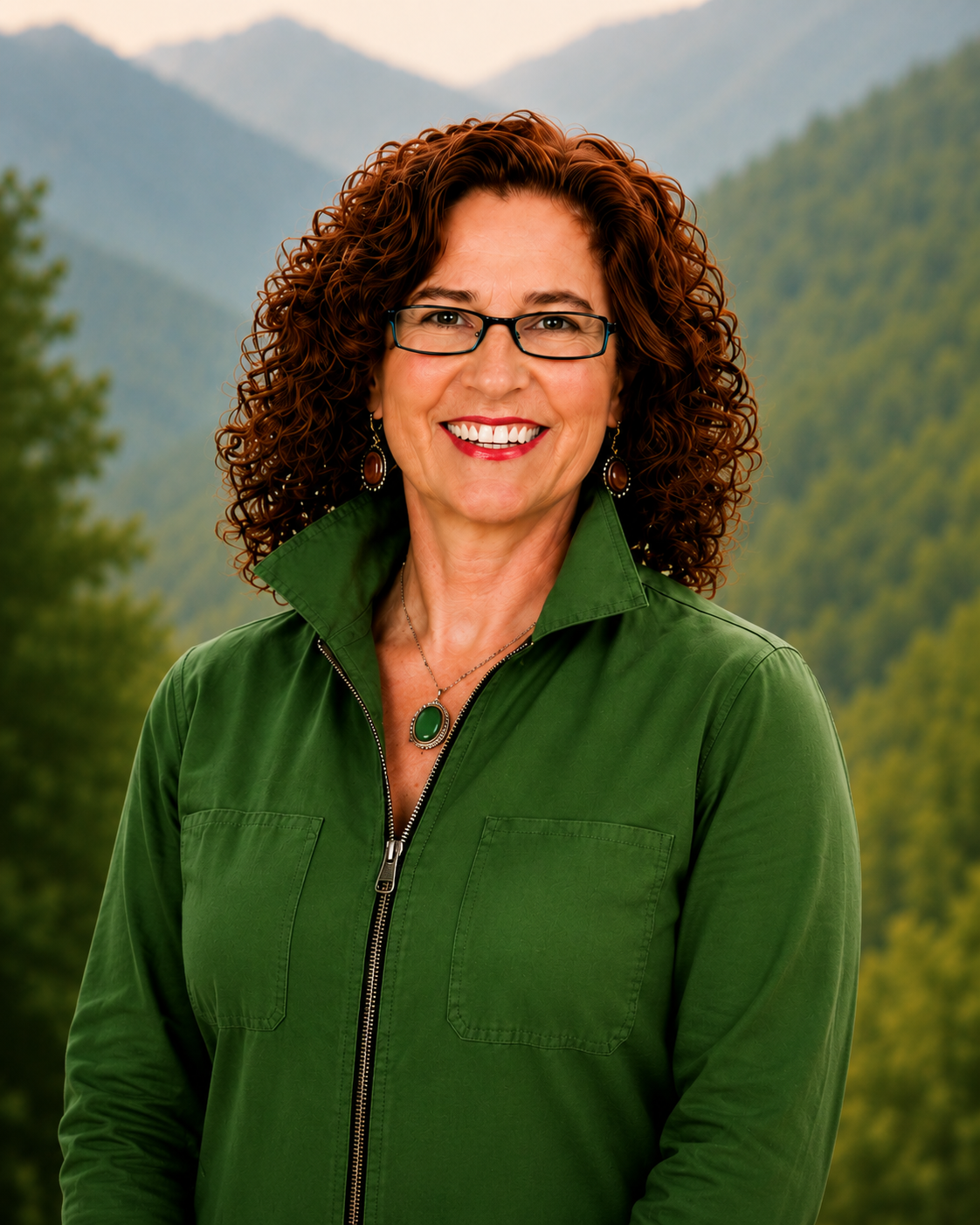
Dr. Margaret Christensen, MD
MD, FACOG, IFMCP, ABOIM, CFMHC
Dr. Christensen is a physician, functional and integrative medicine practitioner, and women's health expert. A longtime Institute for Functional Medicine faculty member, she has spent years teaching clinicians and caring for people with complex chronic illness, including mold and biotoxin-related conditions. She hosted two Toxic Mold Summits featuring more than 80 expert interviews.
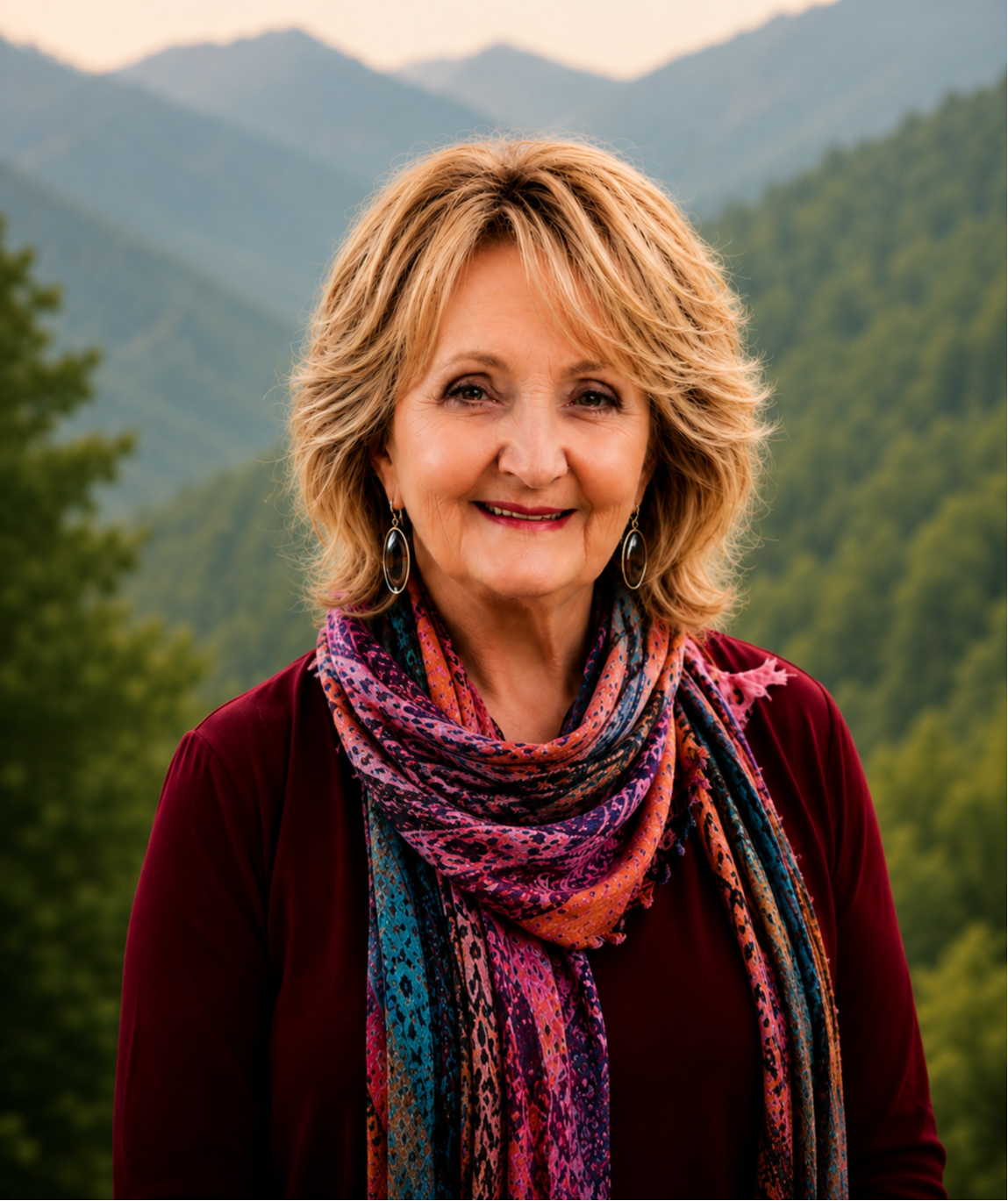
Dr. Gail Clayton
DCN, CNS, MS, RPh, LDN
Dr. Clayton is a former clinical pharmacist of more than 25 years who pursued advanced training in clinical and functional nutrition. She teaches Functional Biochemistry of Nutrition at the University of Bridgeport, is the author of multiple books on Organic Acids interpretation, and leads a BCNS-approved Organic Acids course for practitioners.
What Practitioners Are Saying
“Transformational! This course is an absolute imperative for anyone who has known or suspected mold illness, which is a serious health condition. Dr's. Clayton & Christensen expertly guide you, in simple steps, through what is needed to recover.”
— Dr. Cheryl Winter, DCN, FNP-BC, RDN, IFMCP
“After many styles of diets, here comes one based on science and not fashion or popularity. Dr. Gail creates her menus with the immune system and good nutrition in mind. Food as medicine is truly one of the main benefits.”
— Dr. Beatriz Gallagher, CNS, PhD
“You can't get this information anywhere else. This is not just a meal plan — this is a simple lifestyle diet. This course is a blessing to those fortunate enough to access it.”
— Dr. Cheryl Winter, DCN, FNP-BC, RDN, IFMCP
Enroll Today
The Mold Detox Diet Course
$59
One-time payment · 90 days of access
- 14 video lessons with quizzes
- Downloadable handouts, guides and recipes
- Bonus: the COVID Fallout e-guide download
After purchase, log in at molddetoxdiet.com/login to access your course.
Frequently Asked Questions
Who is this course for?
It is designed for both patients affected by toxic mold exposure and the practitioners who care for them.
What does my enrollment include?
Your $59 enrollment includes 14 video lessons with quizzes, downloadable handouts and guides, and the COVID Fallout e-guide as a downloadable bonus.
How long do I have access?
You receive 90 days of access to the course.
How do I access the course after purchase?
Log in at molddetoxdiet.com/login with the account you used at checkout. Your course will appear in your library.
Is this course medical advice?
No. The course is educational and is not a substitute for individualized medical care. Please talk with your healthcare provider before making significant changes to your diet or supplements.
Advanced Course
Want to Go Deeper?
Mold, Mast Cells & Autoimmunity explores how mycotoxin exposure affects immune function, mast cells and autoimmunity.
It is available as a $296 bundle that includes both courses — Mold, Mast Cells & Autoimmunity and the Mold Detox Diet Course — with 365 days of access.
This course is provided for educational purposes only and is not intended as medical advice for any individual. It is not a substitute for diagnosis or treatment by a qualified healthcare provider. Practitioners should base clinical decisions on their own judgment, scope of practice, and each patient's individual needs.